
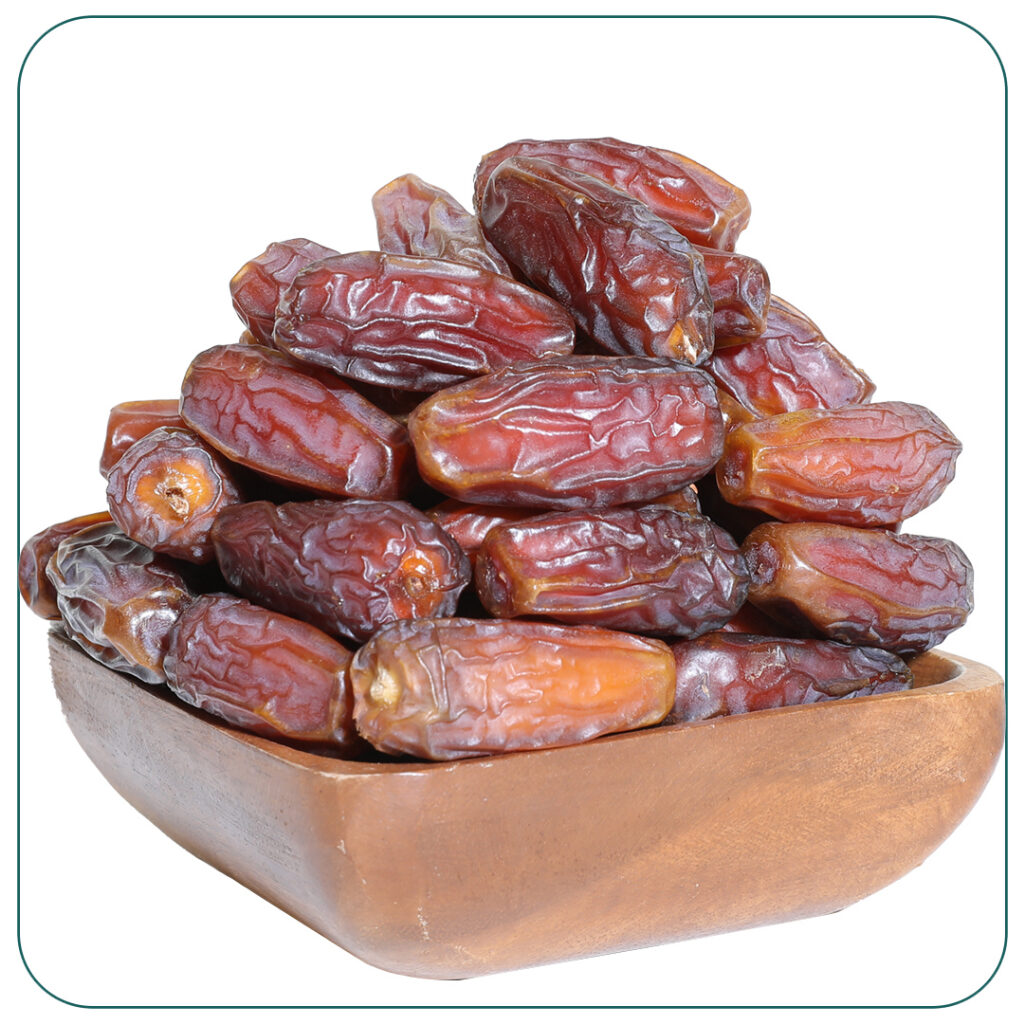
Harga Kurma Malaysia, and why it changes month to month
Ask a date seller in Malaysia why Harga Kurma Malaysia isn't a fixed number and you'll get the same three answers every time: shipping, timing, and grade. Most dates sold here are imported — Ajwa from Madinah, Medjool from Jordan or Palestine, Mariami and Piarom from Iran, Deglet Noor from Tunisia — so freight cost and the exchange rate at the time of import both land directly on the shelf price. Timing does the rest: stock bought and warehoused months ahead of Ramadan is cheaper to sell than stock rushed in during the actual demand spike, when air freight replaces sea freight to meet the rush. And grade, which is set at the farm before the dates ever leave the country of origin, decides which price bracket a batch sits in regardless of season. Anyone comparing Harga Kurma Malaysia between two sellers is really comparing which of these three each seller is passing on to the customer. That's also why this piece won't print a single RM figure and call it done — the number moves by grade and by week, and the only way to see today's is a current listing, not a blog post trying to keep up with it.
The variety that keeps coming up: Ajwa
Of the varieties sold in Malaysia, Ajwa is the one buyers ask for by name rather than by description. It comes from Madinah, Saudi Arabia, and it's easy to pick out on a shelf once you know what to look for.
Spotting a decent one
- Dark brown to near-black skin, without the reddish tint that shows up on underripe stock.
- Slight give when you press it — dates that feel hard as a stone have usually dried out in storage.
- A caramel smell before you've even opened the pack, if it's sold loose.
- A small-to-medium, oval shape with a pit that twists out cleanly.
Why the taste is distinctive
Ajwa reads sweeter and heavier than a Deglet Noor, closer to molasses than to honey. That richness is also why it holds its own stuffed with walnuts or blended into a cold drink, where a lighter-flavoured date would get lost.
Handling it after you buy
Because Ajwa carries more moisture than a firmer variety like Deglet Noor, it spoils faster once the pack is opened. An airtight container in the fridge keeps it in good shape for a few weeks; left out in Malaysia's humidity, it won't hold that softness nearly as long. If you're buying in volume rather than by the pack, sourcing works differently — how dates distributors operate in Malaysia covers that side, including tangkai (on-stem) stock, which is sold and priced separately from loose fruit.
How the other varieties compare
Ajwa isn't automatically the right choice for every use, even though it's the most-asked-about name. Medjool is bigger and wetter, and its size is exactly why most people eat it plain rather than bake with it. Mariami and Piarom, both from Iran, are smaller, firmer, and drier, which suits gifting boxes where shelf life matters more than softness. Deglet Noor is the driest and firmest of the group, and it's the one that keeps its shape when chopped into cakes or granola instead of eaten whole. Picking between them is really a question of use, not quality — snacking, baking, or gifting each points to a different variety, and this guide to dates and quality breaks the grading side down further for anyone buying by the carton.
The short version
Harga Kurma Malaysia moves with freight, timing, and grade — not randomly. Ajwa is the variety most buyers end up asking for once they've tried it, but the right pick for your situation still comes down to what you're doing with it. Check colour and firmness before buying loose, and don't assume the priciest bag is automatically the best fit.
For related reading, see local versus imported kurma in Malaysia, what drives the price of Medjool dates, and using Mariami dates beyond sweet dishes.