
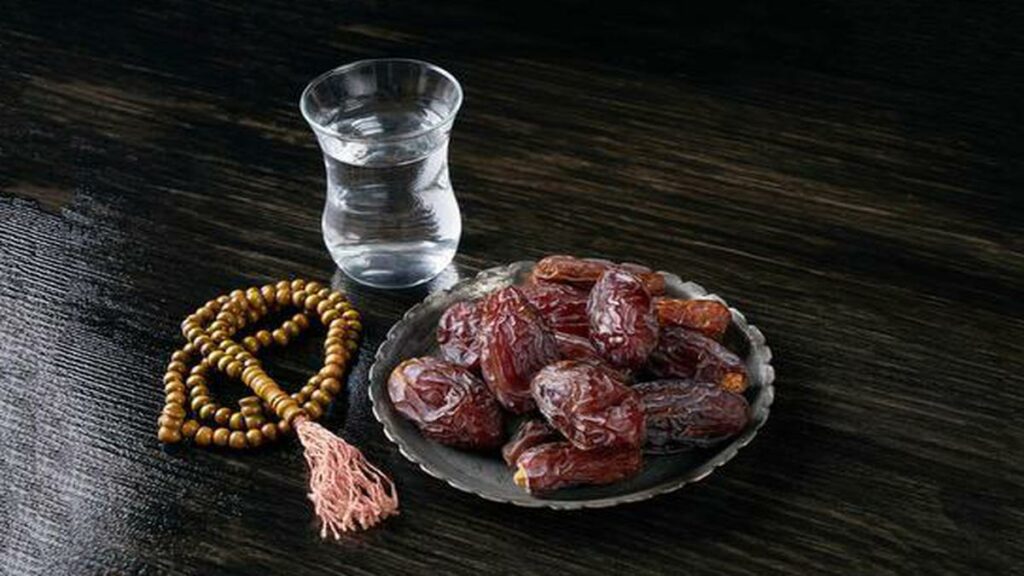
Festive seasons move more dates than any other time of year
Buah kurma sales in Malaysia follow a sharp, predictable cycle. Orders climb for roughly six weeks before Ramadan, spike again in the final week before Hari Raya, and pick up a second time around Chinese New Year, when dates get bought as multicultural gift hampers rather than daily food. Outside those windows, demand is steady but modest — mostly single households restocking, not bulk buyers.
Different occasions, different varieties
The variety that sells best changes with the occasion, not just the volume. Ajwa and Mariami move fastest during Ramadan itself, bought for daily iftar. Medjool and Deglet Noor do better closer to Hari Raya, when buyers want larger, glossier dates for gift boxes rather than everyday eating. A supplier stocking the wrong mix for the season ends up sitting on inventory that won't move until next year.
Why early ordering beats last-minute buying
Wholesale prices on premium grades tend to firm up in the final two to three weeks before Ramadan, as supply tightens across every distributor at once. Buyers who lock in orders six weeks out generally get more consistent grading and steadier pricing than those who order the week demand actually peaks. Read how wholesale grading varies before committing to a large seasonal order.
Corporate hampers need a longer lead time
Individually boxed dates for corporate gifting take longer to prepare than standard bulk packs — branding, custom boxes, and quality checks on a per-unit basis all add days to the process. Any business planning Hari Raya hampers should place that order well ahead of the general wholesale rush, not alongside it.
Storage matters once the stock is in
Buying early only pays off if the dates stay in good condition until the season actually arrives. Cool, airtight storage — refrigerator temperature, not frozen — keeps texture intact for months. Supply chain reliability matters just as much: see sustainable wholesaling practices and Medjool grading by ripeness for what to check before a large seasonal purchase.
Festive demand is real and repeats every year, but the businesses that profit most from it are the ones sourcing and storing stock weeks before the rush, not the ones reacting once it's already underway. Dates have also worked their way into non-Muslim celebrations in Malaysia, from Chinese New Year hampers to Deepavali sweets — see how dates show up across Malaysian cuisine for the fuller picture.