
Kurma harga: why the same variety has three different prices
Ask three sellers the price of Mozafati and you'll get three answers, and it isn't because someone is overcharging. Kurma harga — the price of dates — moves with the ripeness stage the fruit was picked at, how it travelled, and which grade it landed in once it was sorted. A shopper who only compares the number on the label, without asking which of those three things is different, ends up comparing dates that aren't actually the same product.
Ripeness stage changes the cost structure
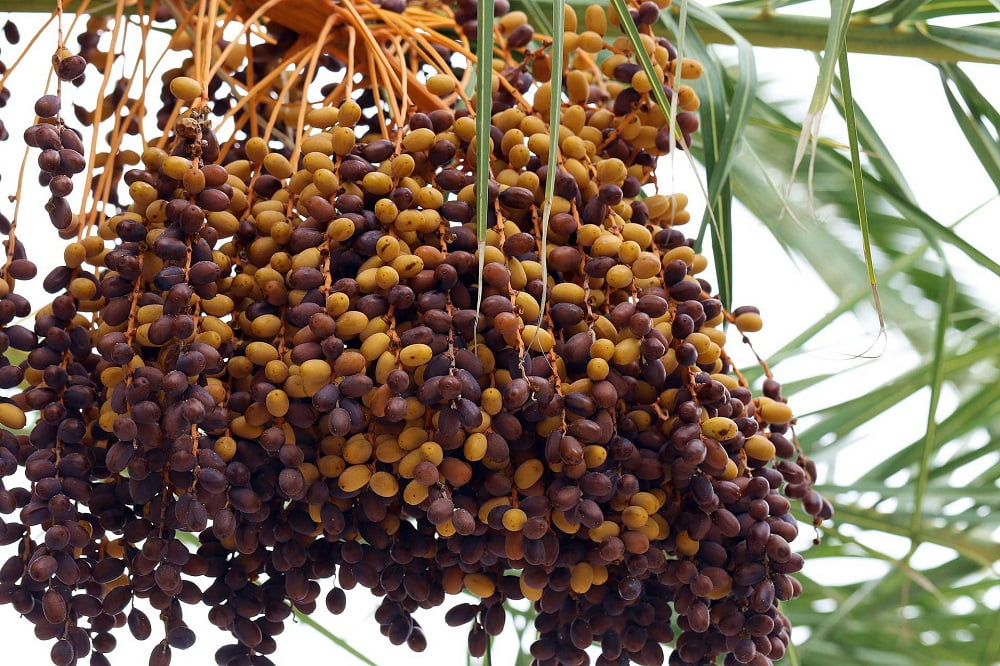
Mozafati is unusual among dates sold in Malaysia because almost all of what reaches this market is bought fresh, at the Rutab stage — soft, dark, still partly translucent — rather than fully dried down to Tamr. Rutab has to move through cold chain from Bam to Malaysia, which adds real cost: refrigerated freight, shorter shelf life, and faster turnover at the retail end. That cold-chain cost is built into the price you see, because unlike Medjool or Deglet Noor, there isn't a widely-sold dried version of Mozafati to compare it against.
What grading actually checks
Once a batch reaches a packer, it's sorted against a handful of physical criteria before a grade gets stamped on the carton:
Size and fruit weight
Bigger, more uniform fruit sorts into the higher grades. A carton of consistently large Mozafati commands more than one with mixed sizes, even at identical moisture and flavour.
Moisture level
Too dry and the fruit has been stored past its best; too wet and it risks fermenting in transit. Graders are checking for a narrow moisture band, and Rutab-stage fruit is judged on a tighter tolerance than most varieties because it has less margin for error.
Skin and surface condition
Splits, bruising, or a dull surface push a batch down a grade even when the taste underneath is unaffected — this is largely a cosmetic check, but it's the one retail buyers notice first.
Sorting for defects
Insect damage, mould, and broken fruit get pulled before packing. Batches with a higher defect count are usually re-sorted or discounted rather than rejected outright.
What moves the number you see at checkout
- Cold-chain freight cost for the Rutab-stage fruit that most Mozafati sellers actually carry.
- Direct import from Bam versus stock that passed through a third-country repacker.
- Ramadan-season demand, which pushes prices up for a few weeks every year across all varieties.
- Packaging — loose bulk vs. a sealed retail tray costs more per kg for the same fruit.
Comparing sellers properly
Before comparing kurma harga across two listings, check whether both are quoting the same ripeness stage and grade. Most Mozafati on the market is sold at the Rutab stage, so a seller offering fully dried stock is selling a different, far less common product, not simply a cheaper version of the same thing. The same logic applies outside this variety: when weighing a Medjool quote against a competitor's, ask for the size class (Jumbo vs. Super) before assuming the cheaper one is the better deal.
Related reading on this site: our look at Medjool pricing, how cultivation technology affects harga kurma, and the Mazafati home page for current stock.