
Mazafati and Sayer often end up compared because both are soft, dark Iranian dates — but in a dessert context they're not interchangeable, and knowing why saves a ruined batch of syrup or a disappointing fresh-fruit platter.
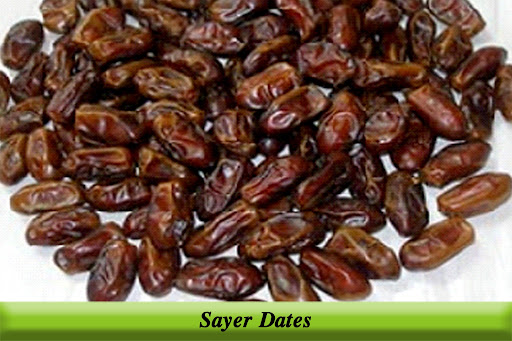
Mazafati is grown in Kerman province and sold mainly as a fresh, near-black eating date with a moist, tender bite — it's positioned and priced as a premium fresh-market product, not a cooking ingredient. Sayer, from Khuzestan, is the opposite in almost every commercial sense: reddish-brown rather than near-black, sold cured rather than fresh, and mostly destined for processing into dates syrup, paste, or a dessert ingredient rather than eaten whole.
For a fresh dessert platter or a dish where the date needs to look and taste clean on its own, Mazafati's tender texture and rounder, less heavy sweetness work better. For a recipe where the date gets blended, cooked, or reduced — a syrup, a sticky cake, an energy ball — Sayer dates are the more practical and cheaper choice, since the flavour deepens rather than gets lost once it's cooked, and the texture already lends itself to blending without much soaking.
Price reflects the difference: Mazafati's tighter cold-chain requirements and fresh-market positioning make it noticeably more expensive per kilo than Sayer, especially processing-grade Sayer bought in bulk for an ingredient use rather than whole-fruit presentation.
Both need refrigeration, but Mazafati is the more perishable of the two — plan to use it within days rather than weeks, whereas cured Sayer holds for longer in a sealed, chilled container.
If you're deciding which to buy for a specific dessert, or comparing against Medjool dates as a third option, browse our Sayer Dates category or see the full range on the home page.