
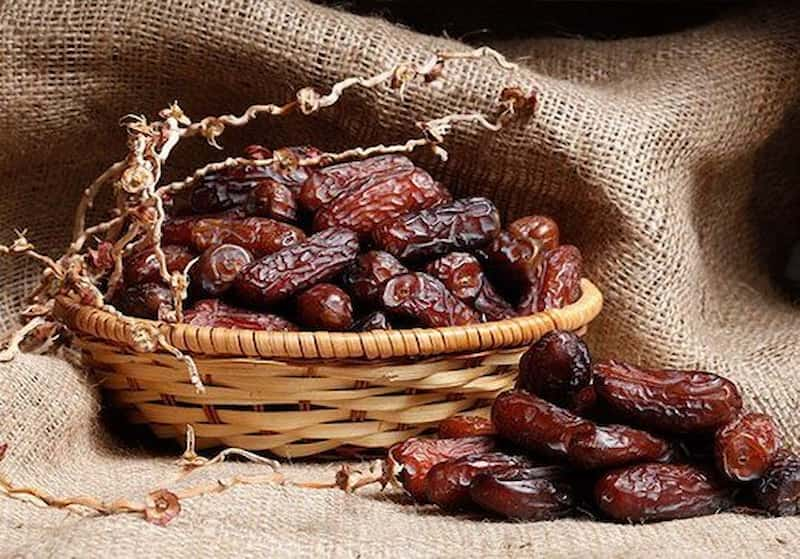
Why Mazafati pricing behaves differently
Harga Kurma Di Malaysia is usually discussed as one market, but Mazafati doesn't follow the same rules as drier varieties like Deglet Noor or Ajwa. Mazafati is a soft, moist date with high moisture content, closer to a fresh fruit than a shelf-stable dried one, and that changes what drives its price.
Moisture means a shorter clock
A dry-cured date like Safawi can sit in ambient storage for months with little quality loss. Mazafati can't. It needs cold storage from harvest through to sale, and every extra day outside refrigeration degrades texture and shortens shelf life. That cold-chain requirement (refrigerated trucking, cold storage at the port, chilled retail display) adds a cost layer that drier varieties simply don't carry.
Where it's grown
Iran's Kerman and Bam regions produce most of the Mazafati that reaches Malaysia. Distance from Iran to a Malaysian cold store is the main freight variable, and airfreighted batches, faster, fresher, pricier, sit noticeably above sea-freighted stock that's spent weeks in transit and lost some moisture and firmness along the way.
Freshness grading
Unlike dried varieties where grade is mostly about size and appearance, Mazafati grading leans heavily on how recently it was harvested and how well it held up in transit. A batch sold within weeks of harvest, still plump and glossy, commands a real premium over older stock that's begun to dry out at the edges, even if both left the farm at the same nominal grade.
Supply and demand still apply
Ramadan demand spikes hit Mazafati the same way they hit every other variety, but the perishability compounds it. Sellers can't simply stockpile ahead of the rush the way they can with Ajwa or Deglet Noor, so short-notice supply gaps show up in price faster. A wholesaler who over-orders Mazafati and can't move it fast enough also eats a real loss, which is why smaller, more frequent shipments are the norm for this variety rather than one large seasonal order.
At home
Once you've bought it, the same moisture that makes Mazafati soft also makes it spoil faster at room temperature than Ajwa or Safawi. Keep it refrigerated and use it within a couple of weeks rather than leaving a bag on the counter for a month. The price you paid for freshness is wasted if it's stored the way a dry date would be.
What to check before buying
Ask when the batch arrived and how it's been stored since. A seller who keeps Mazafati refrigerated and can tell you the approximate harvest window is worth the slightly higher price over one selling it warm off an open shelf. The moisture loss from poor storage is the difference between a soft date and a dried-out one that shouldn't be priced the same.
For a variety-by-variety price comparison, see our Medjool pricing notes, and for the production side of things, our piece on date palm cultivation.