
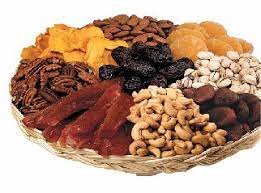
A buyer's guide to the main dry fruit types
Walk into any wholesale dry fruit stall and you'll see the same handful of items repeated stall to stall: dates, dried apricots, raisins, prunes, and dried figs. They look similar in a bin, but they come from different fruit, are processed differently, and suit different uses. Here's what actually separates them.
Dates are the odd one out on this list because they're eaten whole and fresh-picked, not sun-dried from a wetter fruit the way the others are. Varieties like Zahedi are semi-dry by nature, with a firm chew and a caramel sweetness that comes from their own sugar, not added syrup. Because the sugar is intact in the fruit's structure rather than concentrated by evaporation, a Zahedi date tastes less "jammy" than a raisin and more like a firm toffee.
Raisins are dried grapes, and the drying process shrinks them to roughly a quarter of their fresh size, concentrating both sugar and tartness. They're the cheapest of the group per kilo almost everywhere, which is why they show up in trail mixes and baking more than any other dry fruit.
Dried apricots keep a soft, slightly chewy texture and a tang that dates and raisins don't have. Sulfured apricots (the bright orange ones) last longer on a shelf; unsulfured ones turn dark brown and taste more intensely of the fruit itself.
Prunes — dried plums — are the densest and moistest of the bunch, almost never fully hard even after months in storage. That moisture is also why they mould faster than the others if kept somewhere humid.
Dried figs have a distinct texture from the seeds inside, and a flavour that's more floral than sweet compared to dates or raisins.
For storage, the rule is the same across all five: an airtight container in a cool, dark cupboard keeps them workable for months; the fridge extends that further but can dry out already-firm items like dates if left uncovered. If you're buying in bulk for a household rather than a business, dates and dried apricots hold their texture the longest once opened, which makes them the more forgiving choice if you don't go through a bag quickly.
None of these are a substitute for fresh fruit and vegetables in a diet — they're a concentrated, shelf-stable snack, useful for exactly that and nothing more.
Curious how dates specifically compare across varieties, or want to see current Medjool stock? Both are worth a look before you decide what to add to a pantry order.